Cookie & Compliance
We’re New at This
New Parent Stories

Baby Tummy Time: When to Start and How Much Each Day
Tummy time means placing an awake baby on their belly while a caregiver stays beside them and watches. It helps build ne

Yellow Flakes on Your Baby’s Scalp: Gentle Care for Cradle Cap
Greasy white or yellow scales may be cradle cap, a form of infant seborrheic dermatitis. It usually causes little itchin

Baby Safe Sleep Guide: Back Sleeping, an Empty Crib, Room Sharing and Rolling Over
For babies under 1 year, safe sleep is less about making the sleep space look cozy and more about keeping the airway cle

Baby Sticky Eyes and Tearing: Blocked Tear Duct Care, Conjunctivitis and Warning Signs
A watery or sticky eye is common in young babies. One frequent cause is a blocked tear duct, where tears do not drain no

Newborn Jaundice: What to Watch at Home, Bilirubin Checks and When to Get Help
Newborn jaundice is a yellow color of the skin or whites of the eyes caused by a buildup of bilirubin, a substance produ

Baby Diaper Rash: Caring for Irritation, Spotting Yeast or Infection, and Knowing When to Call
Diaper rash is extremely common, but not every rash under a diaper has the same cause. The most common type is irritant

When Your Baby Keeps Crying and Won’t Settle: From Checking the Cause to Soothing Safely
A young baby can sometimes cry for a long time even when no obvious reason is easy to find. Parents may describe this as

Baby Stuffy Nose and Runny Nose: Safe Saline, Suction and Warning Signs
A blocked or runny nose from a cold, RSV or another respiratory virus can make feeding and sleep harder for a baby. Most

Baby Reflux and Spit-Up: What Is Normal and When to Get Help
Seeing milk come back up after a feed can be alarming, but effortless spit-up is extremely common in infancy. The U.S. N

Newborn Umbilical Cord Care: What to Do Until the Stump Falls Off
The small stump left on your newborn’s belly can look surprisingly large or dark at first. In most babies, it does not n

Protecting Your Baby’s Skin Barrier: Dry Skin, Eczema Care & Flare Prevention
A baby’s skin barrier is still developing, so dryness and irritation can appear easily. Atopic dermatitis (eczema) is a

Age-by-Age Complementary Feeding Guide: 6 to 24 Months
Starting solids, also called complementary feeding, usually begins at about 6 months when a baby is developmentally read

Navigating Teething Pain: Stages, Symptoms, and Safe Remedies
Teething is a normal developmental stage, but swollen gums and the urge to chew can make some babies noticeably uncomfor

Understanding and Treating Heat Rash in Babies
Heat rash—also called miliaria or prickly heat—is very common in babies. It happens when sweat-gland openings become blo

Calculating and Mixing Infant Formula Safely
Preparing infant formula is more than filling a bottle. The water-to-powder ratio, clean equipment, storage time, and yo

Washing Your Newborn: Gender-Specific Care and Best Practices
Bathing your newborn can be an intimidating task, especially for first-time parents. While babies are small, their delic

Common Baby Illnesses: A Practical Guide to Recognition and Care
Every new parent experiences the anxiety of their baby getting sick. While many illnesses are mild, infants are more vul
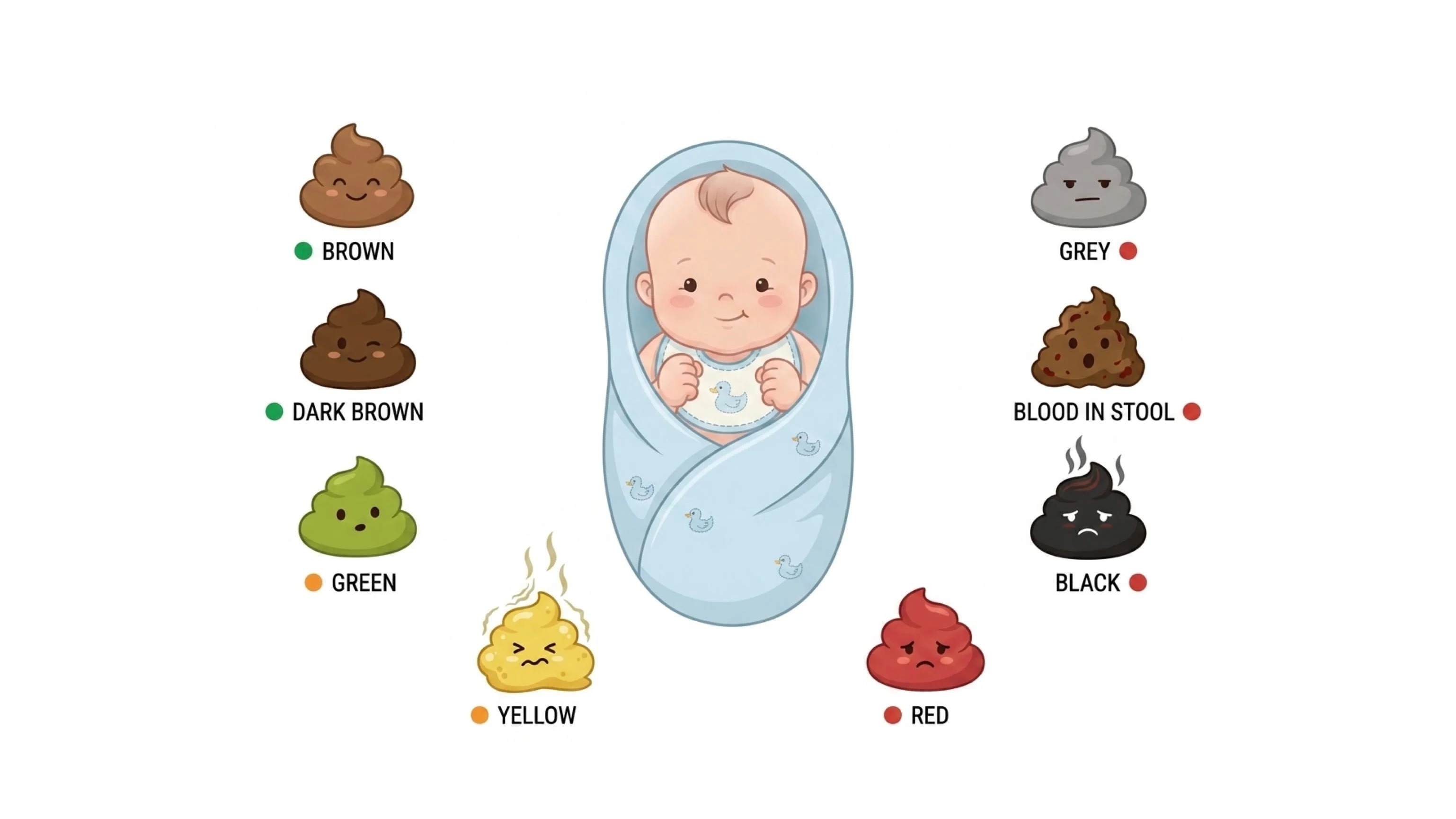
Baby Poop Guide: Color, Consistency, and Health Signs
One of the most surprising (and frequent) adjustments for new parents is observing their baby's stool. The color and con

How to Safely Use Fever Reducers for Babies
It can be distressing when your little one develops a fever. While often a sign that their body is fighting off an infec